network congestion
In short
Working together towards a network-conscious society
Network congestion impacts many sectors and levels, from neighborhood development and housing projects to business parks and existing urban areas. Rebel focuses on areas where congestion has real consequences for social and economic development. We combine deep knowledge of the energy system with expertise in governance, financing, and collaboration, creating solutions that are practical today and sustainable for the future.
Area development and network-aware new construction

Making existing buildings more sustainable
Making existing buildings more sustainable is increasingly challenging due to grid congestion. We therefore explore alternatives to electricity-based energy sources, such as heat networks. Compared to individual heat pumps, heat networks significantly reduce both the load and peak demand on the electricity grid. Through a Social Cost–Benefit Analysis (SCBA), we systematically assess the societal costs and benefits of different heating solutions. In addition, we support the deal-making and contracting required to connect to these energy sources, such as geothermal energy and heat and cold storage systems.
Energy hubs
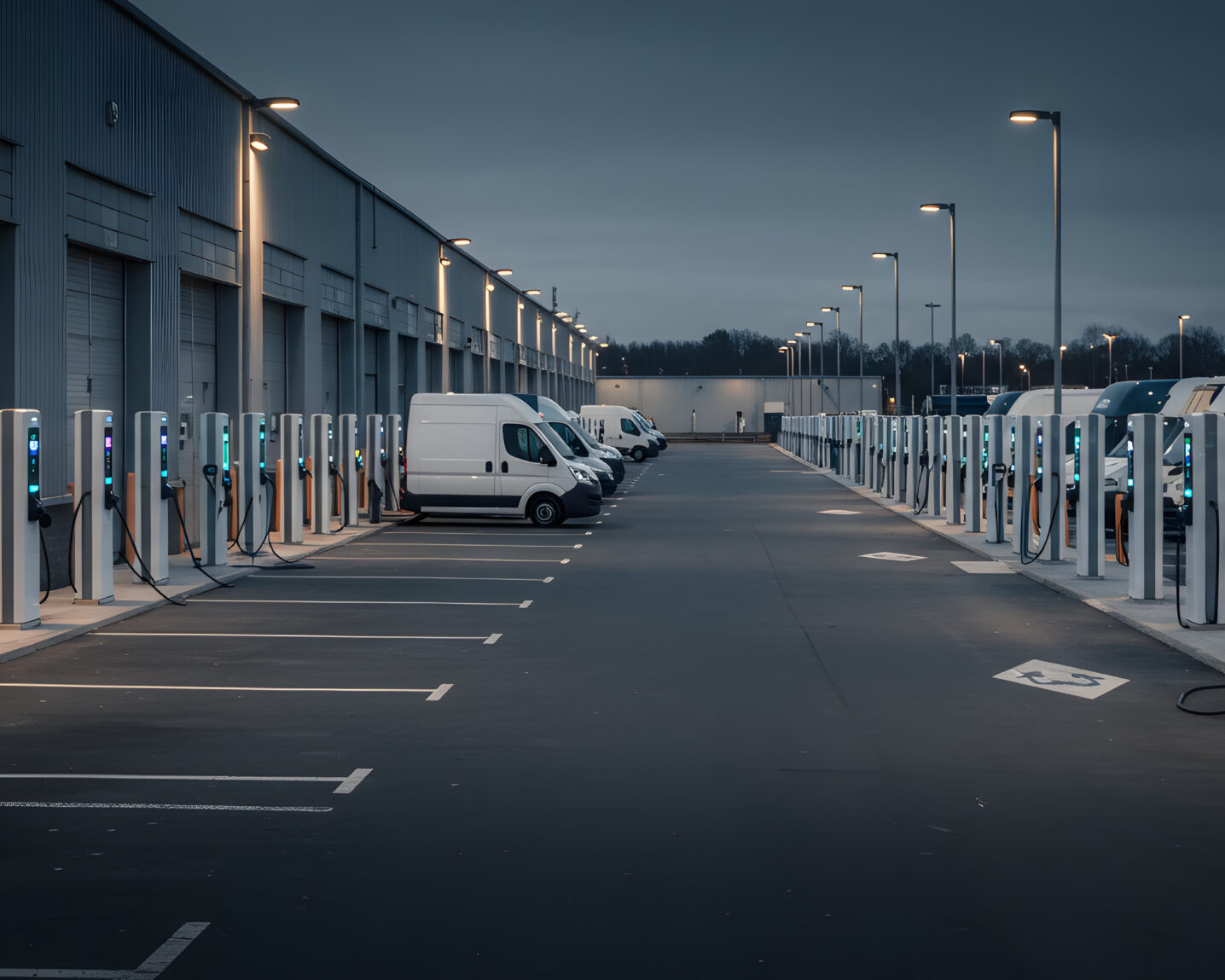
To address network congestion in areas with high energy demand, such as business parks, new types of contracts and partnerships are increasingly used to manage capacity – covering demand, supply, and transport – more intelligently. One example is the development of Smart Energy Hubs. We focus on creating partnership models and financing solutions, while also driving their practical implementation.
Demand management, storage and flexible services
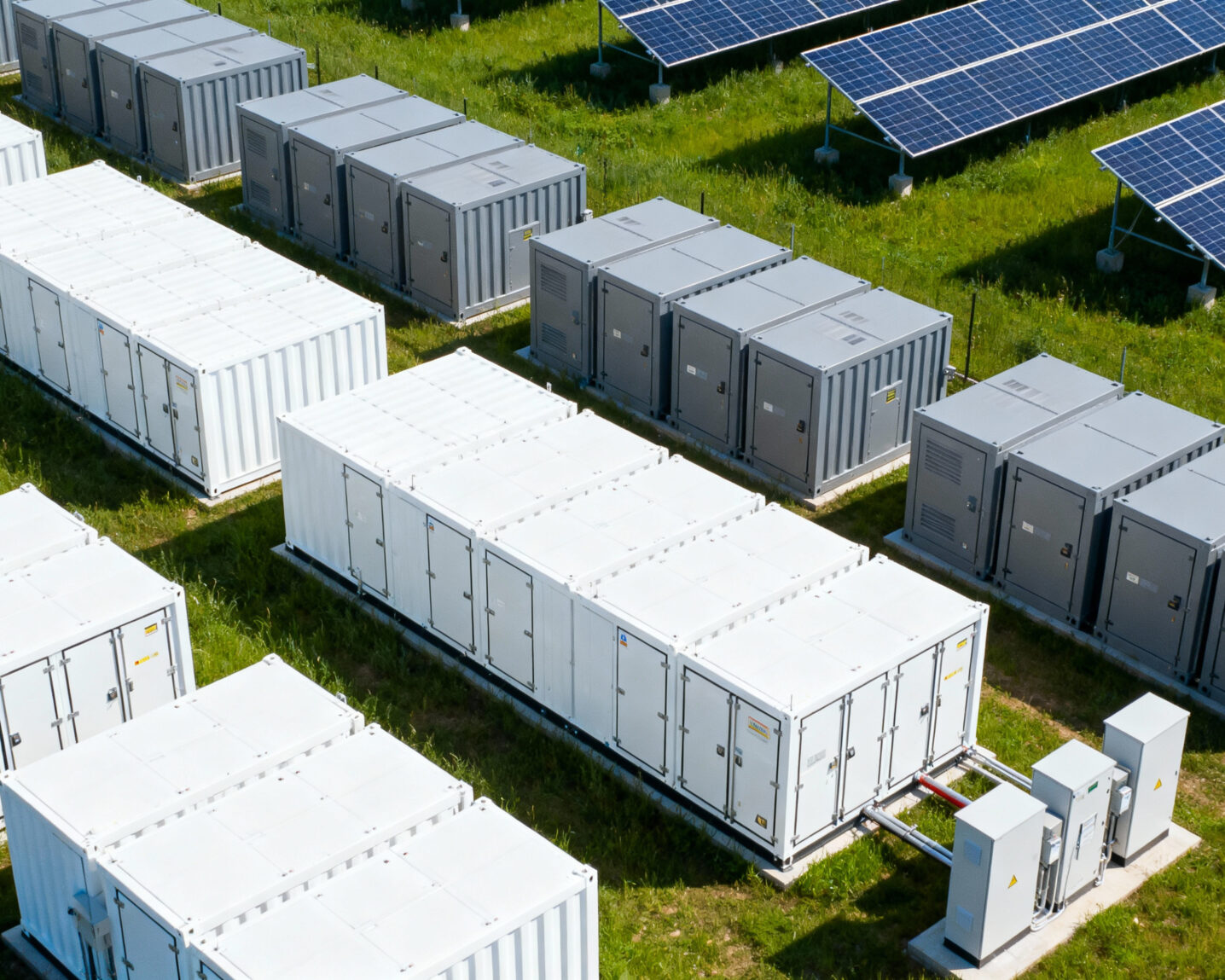
Network congestion, while a challenge, also creates opportunities to manage the balance between electricity supply and demand in new ways. Depending on the local grid situation, some areas may experience a surplus or shortage of supply and/or demand. Value can be unlocked through demand management, optimizing the use of production and storage, and adding new assets. We calculate different “flex configurations,” including integration with heat or hydrogen systems, to help stakeholders make informed decisions.

Policy and strategy
Grid congestion directly affects municipalities and provinces in their core responsibilities, such as housing development, the heat transition, renewable energy generation, and charging infrastructure. At the same time, they have only limited direct means to address the problem. As grid congestion is expected to persist in the coming years, it is crucial for governments to clearly define their role in relation to other stakeholders. We support governments, as well as network operators and energy companies, in developing policies, strategies, and partnerships to manage grid congestion effectively. Through programmes, public–private partnerships, and a shared long-term vision, we help reshape the playing field and support the implementation of both short- and long-term solutions.