Cup systems in the Johan Cruijff ArenA: single-use vs. reusable
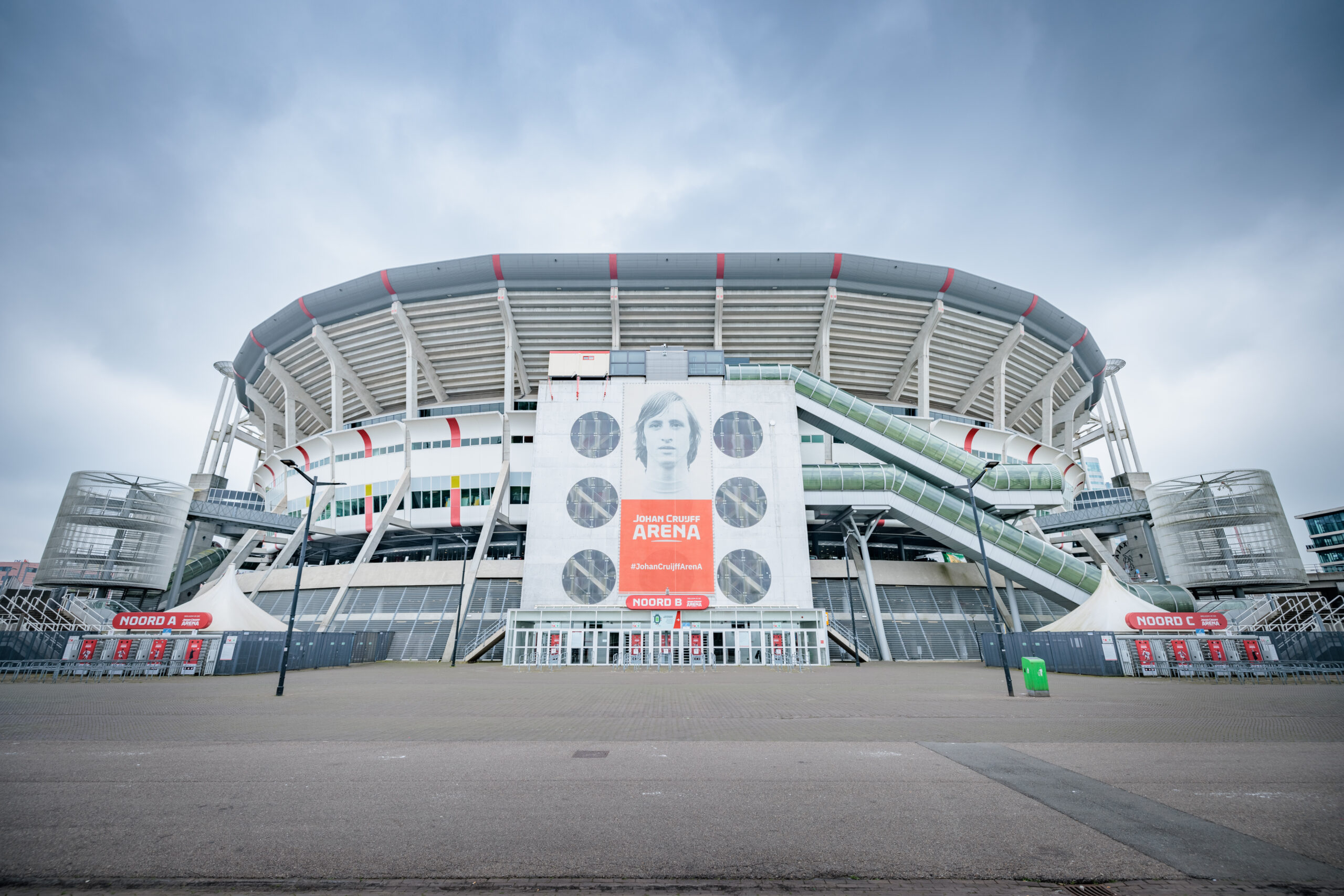
As part of its ambition to be climate neutral by 2030, the Johan Cruijff ArenA aims to better understand how cup use during events can be made more sustainable. Rebel compared the current system of single-use cups made from recycled plastic with a reusable alternative. The analysis focused on four areas: safety, operational feasibility, costs, and environmental impact.
The challenge
The central question of this project was what switching to reusable cups would mean for safety, operations, costs, and environmental impact. Several challenges influence the sustainability and effectiveness of cup systems, including safety risks during football matches, limited storage space in kiosks, visitor behaviour, and the number of cups that are not returned.
The approach
Rebel assessed both cup systems across four themes: safety, operational feasibility, environmental impact, and costs.
1. Safety – Rebel identified the main safety risks through discussions with safety experts and representatives from other stadiums. The assessment distinguished between risks related to injury or match disruption caused by thrown cups, fall hazards (such as slipping or twisting), and the creation of obstacles. The current, mitigated risks of single-use cups were then compared with those associated with a potential switch to reusable cups.
2. Operational feasibility – Rebel analysed five elements of the operational chain: logistics, storage, distribution, collection, and processing. This analysis was based on discussions with JC ArenA staff and cleaning and catering partners, as well as a review of current event-day operations. For each element, Rebel identified bottlenecks for both single-use and reusable cups under current conditions and explored options for additional control measures.
3. Environmental impact – Rebel developed a customised, transparent, and dynamic environmental impact model in line with the FAST modelling standard. The model calculates greenhouse gas emissions, water consumption, land use, and energy use across the full life cycle of both cup systems
Its assumptions are based on JC ArenA data, experiences from other stadiums, scientific literature, and impact data from Ecoinvent. The environmental impact was assessed across three scenarios: fully single-use, fully reusable, and a hybrid option. The model also allows for sensitivity analyses of key variables, such as cup loss rates.
4. Costs – Rebel compared the total annual costs of both systems using operational data from the JC ArenA and information from suppliers. The cost analysis includes purchase, logistics, cleaning, collection, and processing. Additional scenarios were calculated to assess the impact of upscaling and the introduction of internal washing facilities.
This study has provided the JC ArenA with a clear framework for evaluating the available options and supporting its choice of cup system. The impact model and scenario analyses offer insight into what is required to make a switch to reusable cups feasible, safe, and sustainable, and where practical bottlenecks may arise. The recommendation is to begin with a series of pilot projects during events.

Impact
The JC ArenA now has solid insights and a practical environmental impact model, allowing it to take well-informed steps toward a sustainable cup system for the future.
The experience of a Rebel